Unknown's avatar

Cooking up stuff

While waiting for the next outdoor season, we’ve got a number of activities coming up. Over the next two months, look for announcements on public presentations in Gothenburg and Stockholm; the second of our post-industrial field trips; and the Open Call starting to spread. At the moment we’re looking at the programming for next summer, and are also preparing a presentation on Kuxa Kanema newsreels from Mozambique.

Unknown's avatar

Minimal Cinema presentation at IASPIS in Stockholm

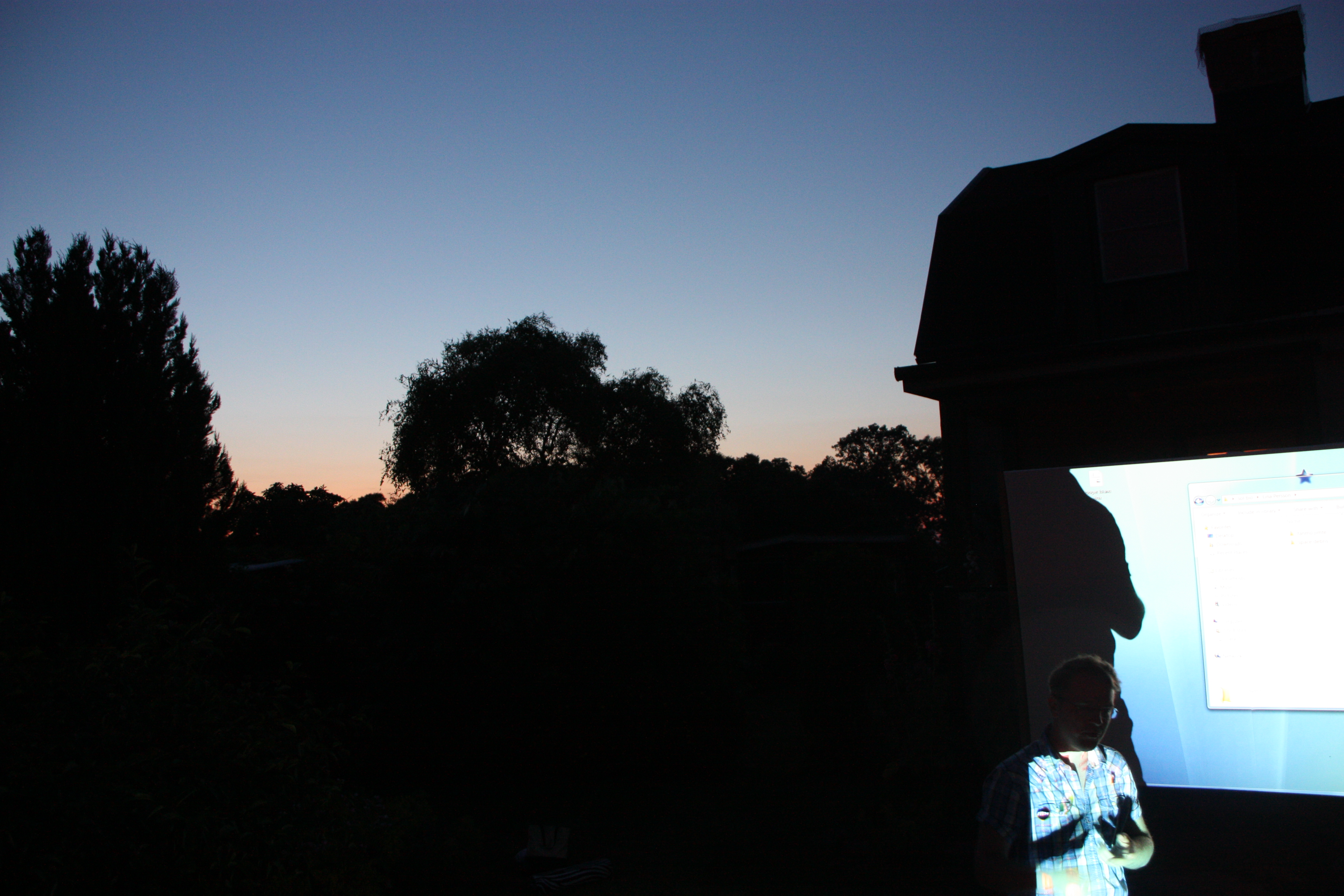
The Sunshine Socialist Cinema held a presentation at IASPIS in Stockholm during the Open Studios 21-22 September. We made a brief introduction to the cinema setup and programming, screened the video A Ruda Road Movie by Marie Bondeson, announced our Open Call, and all of it through our new mobile Minimal Cinema. For more info on the Open Call, check the menu above.

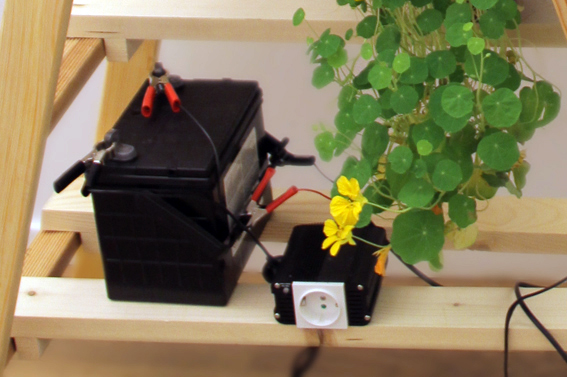
The solarpanel produces 13 W per hour and charges a car battery. From the car battery and a 220 V converter we can then charge the internal battery of our pico projector.

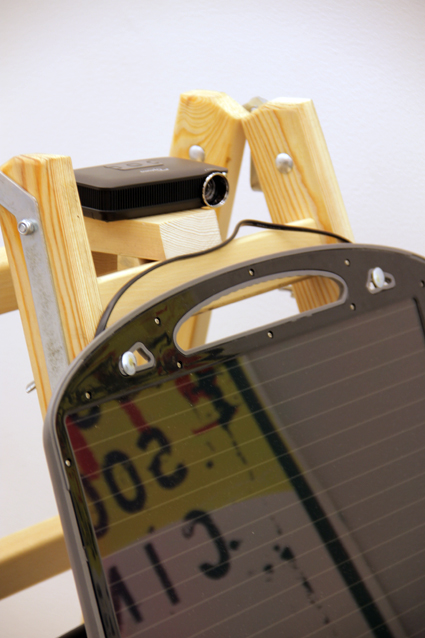
The pico projector has an internal battery and holds a memorycard, which makes it an easily transportable filmscreening apparatus. It’s only about 13 x 6 x 2 cm in size. When the environment is dark enough, we can get an ok size on the projection, though obviously not as good as with our ordinary projector.

The solarpanel folds up into briefcase size. The whole setup cost us roughly 300 Euros for the projector plus 150 Euros for the power supply (solarpanel, battery and converter).

Unknown's avatar

Alternative Economics Debated in Copenhagen

As part of the Copenhagen Art Festival, on September 15:th a debate was held on economy and alternative economic practices with artist Kalle Brolin (one of the initiators of the Sunshine Socialist Cinema), chairman of Landsforeningen for Økosamfund Ditlev Nissen, Die Zeit journalist and editor Thomas Fischermann, and economist at Danmarks Nationalbank Niels Peter Hahnemann. Moderated by Judith Schwartzbart. The brief read:

“What is our economic reality? What views characterize the different economic agendas? What are the current considerations with regard to economy and alternative economic practice? How can we think economy in the future? And what economic communities can we and do we want to develop?”

Thomas Fischermann argued for the necessity of economic growth but using other standards of measurements, whereas Ditlev Nissen argued for a voluntary reduction of consumption. Look for both of these guys online.

And the Sunshine Socialist Cinema was introduced to a Danish audience.

Unknown's avatar

Post-industrial Fieldtrip

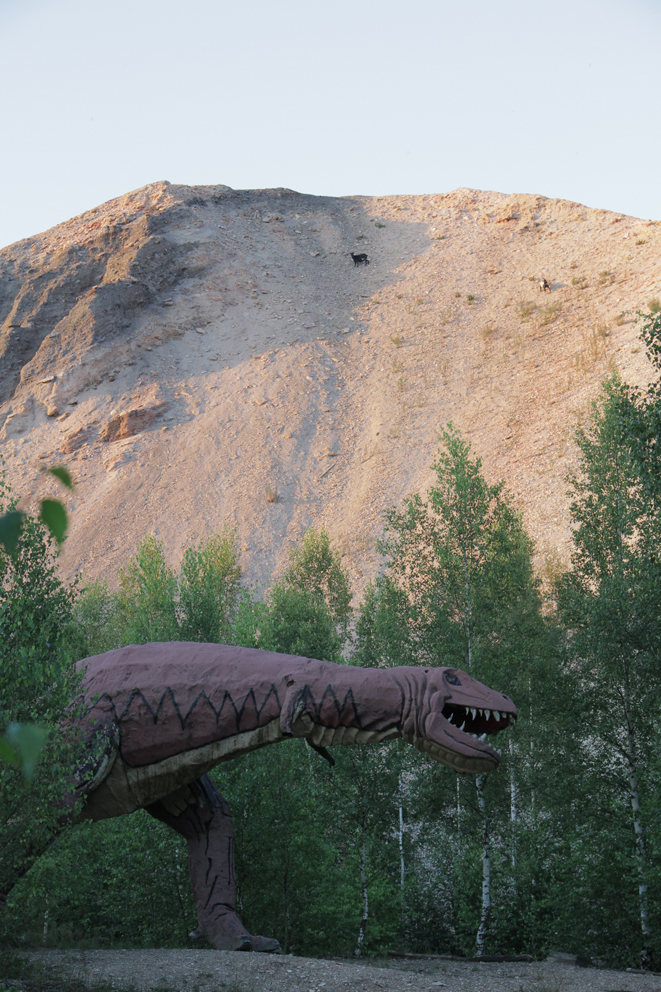
The Sunshine Socialist Cinema arranges occasional fieldtrips. In nearby Nyvång and Åstorp, just next to the E4 motorway, lies a slagheap atop what used to be the largest coalmine in Sweden. The mine was active between 1911 and 1966.
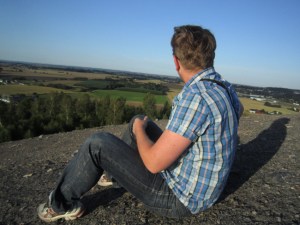
When the mine was open, about 400 people worked here underground, and 100 people aboveground. There’s a small museum in the building that sits on top of the miningshaft.

The slagheap has been declared a landmark and part of our cultural heritage.

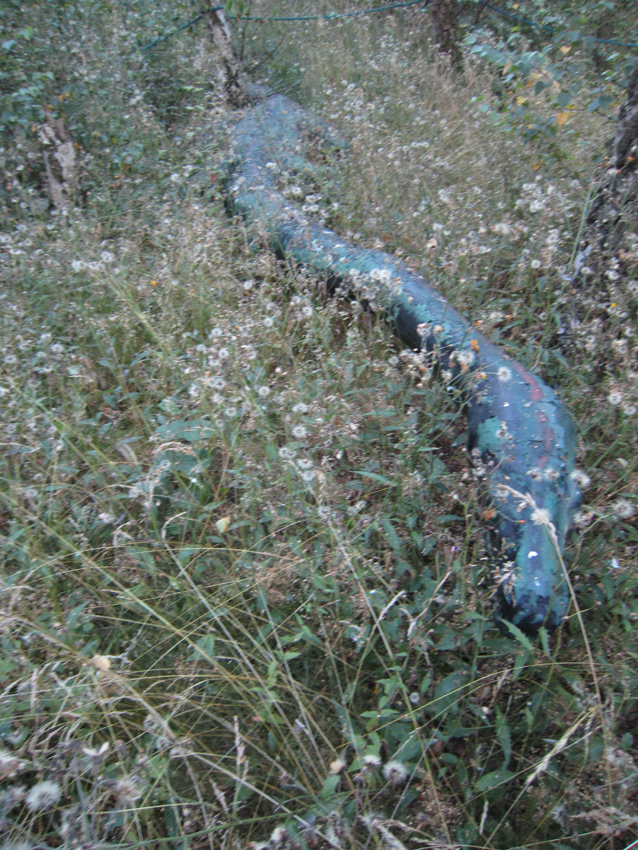
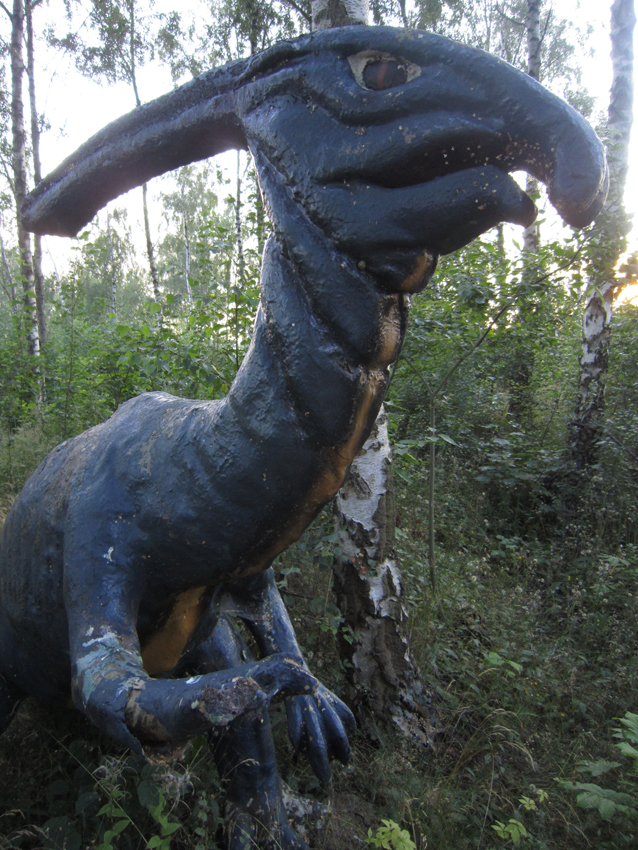
More recently, the slagheap hosted a dinosaur themepark, Dinoland, which presented around 30 lifesize models of dinosaurs.
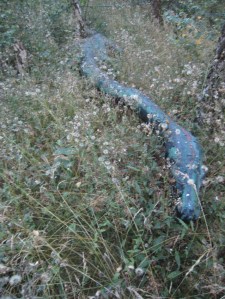
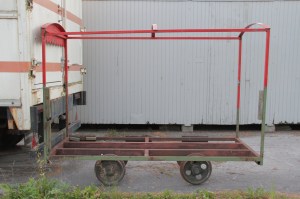
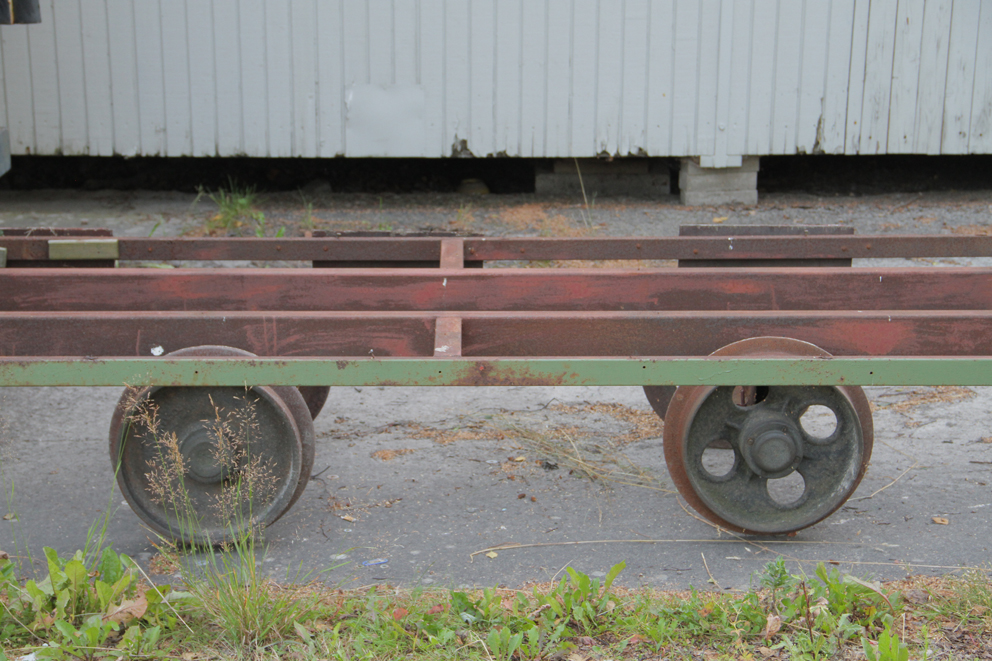
One of the carts from the themepark sports two pairs of re-used wheels.
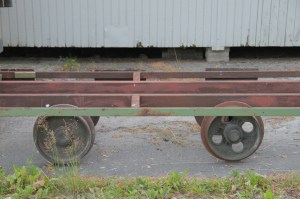
Previously placed on two separate mining carts, possibly.

The dinosaur themepark has also closed down. It’s featured as one of the sites in the upcoming film Äta sova dö (Eat sleep die) by Gabriela Pichler.
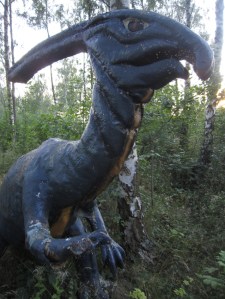
For our studygroup, this site gets to represent an attempted transition from industrially based local economy to one based on culture and entertainment. A slideshow of images from the slagheap was presented at one of our screenings this summer.


Unknown's avatar

Posters

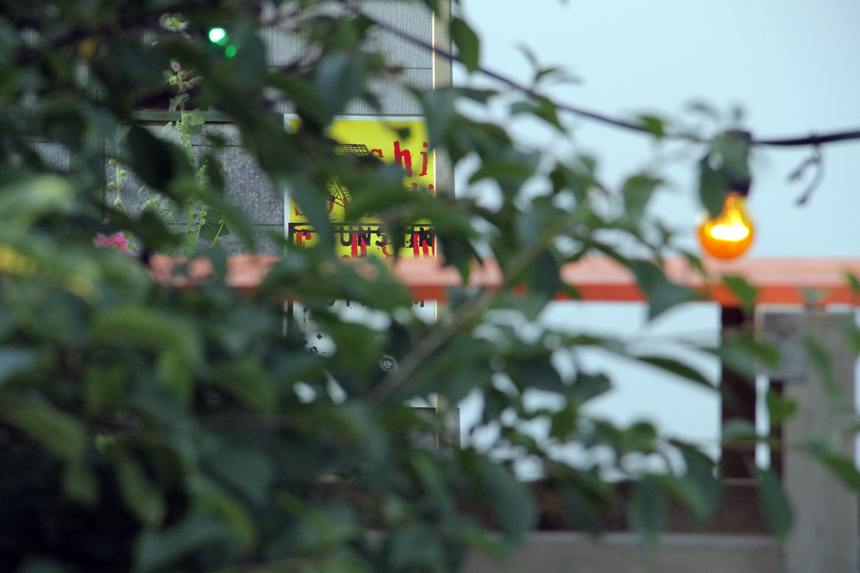
During screenings, we will also try to exhibit posters at various places in the garden. The screenprinted poster showing the technical setup – from solarpanel via battery to projector – comes in two versions:

Marking the entrance

On the porch rail

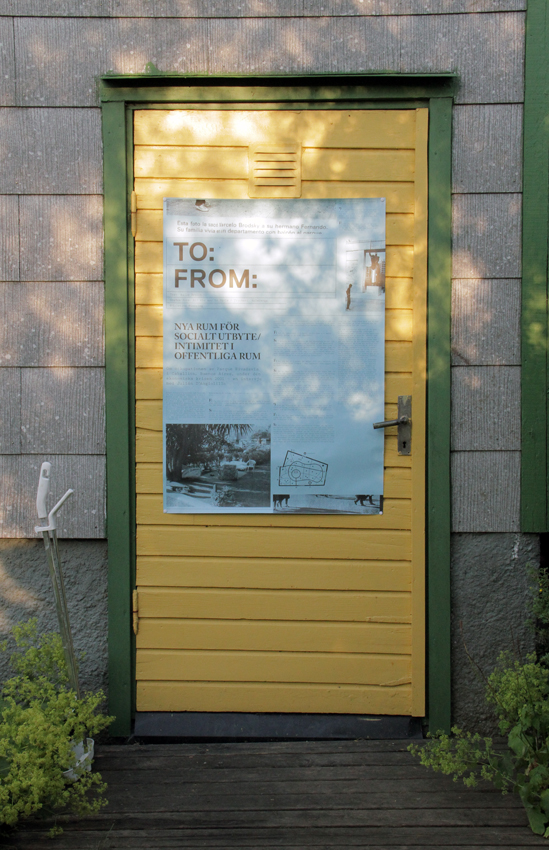
You can see the influence of Buenos Aires street advertising in our yellow-red screenprinted poster above. Another poster, originally made by Kristina Müntzing for her outdoors installation TO: FROM:, is designed by graphic maestros All The Way To Paris, and features an interview with artist and filmmaker Julian D’Angiolillo. Julian has written the book La Desplaza about the grey economy in Parque Rivadavia, a park in Buenos Aires. This park is where we first came across the Cine Libre Parque Abierto, which was a big influence on our own outdoors cinema. The poster takes the form of a wall-newspaper, and is titled New Rooms For Social Exchange/Intimacy In Public Space.

On the door to the basement where the toilet is found

On the door of the garage

In future seasons, the cinema will try to commission new posters by invited artists, or exhibit existing works by artists who might fit a given theme. More info on this will appear forthwith!