Unknown's avatar

In The Soil And The Structure

gruvbio

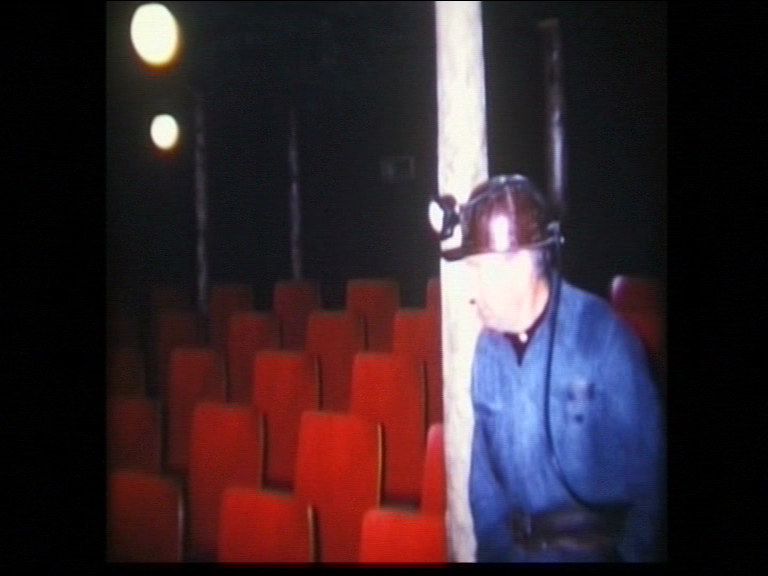
During the symposium From Soil To Structure, the Sunshine Socialist Cinema presents a program of films chosen by artist Hans Carlsson. The films were produced by Höganäsbolaget and belong to the archive that is administrated by the Stawfordska Association in Höganäs. The films selected by Hans Carlsson can be perceived as layers, not so different from the archives created in the ground – in soil and coal. Sediments in the soil display an overview of time and how the activities at the Höganäs company have developed over decades. Fossils of plants are compressed in layers of charcoal while mineworkers mark their names in the walls of a mine that soon will be flooded by the groundwater.  Mud is used for firing bricks; and bricks explode to dust when a chimney is torn down. The picture above was taken in a cinema located in a coalmine in Höganäs, where some of these films were first shown.

The screening takes place on Thursday June 4th. Films shown include:

Stenkolens utvinning (1934)
Operation is (1959)
Schakt Gustaf Adolf i Höganäs efter att det stängts (ca 1961)
Höganäs Eldfast (1986)
Skorstensfällning ångcentralen (year unknown)

From Soil to Structure is a two-day program of artistic gestures and discussions around soil and urban memories. Artists, urban gardeners, residents and researchers will meet to experience, discuss as well as taste a specific moment in history. Participants include Elin Wikström, Raketa, Parvin Ardalan, and more. The event is part of the research project Living Archives, K3/Malmö university funded by the Swedish Research Council. For more info, location etc., check these links:
Facebook event

Living Archives

Unknown's avatar

In The Studio Of Astrid Noack

Jonathas_de_Andrade_O Levante [2012] - still 3

Still from O Levante (The Uprising) by Jonathas De Andrade

Astrid Noack’s Atelier in Nørrebro, Copenhagen, is our second stop on the summer tour. On May 29th we’ll be screening a short film by artists Søssa Jørgensen and Geir Tore Holm, called Astrid Noack’s Atelier, based on a series of filmed interviews with people involved with the preservation and development of the former backyard studio of artist Astrid Noack.

still geir o sossa

Still from Astrid Noack’s Atelier by Søssa Jørgensen & Geir Tore Holm, 2015

Søssa Jørgensen and Geir Tore Holm were artists in residence at Astrid Noack´s Atelier in August-September 2014. The recordings for the video documentary were made in the studio in Copenhagen and at the farm of the artists, Ringstad in Østfold, Norway.

About Astrid Noack’s Atelier

About the work of Søssa Jørgensen and Geir Tore Holm

Other films this evening:

The Uprising, by Jonathas De Andrade, documents a horse and cart race in Recife, Brazil. Horse-drawn carts are officially prohibited in the city, mainly because of how they clash visually with the notions of order and progress. But horses and carts are still in use among some people in the city, and the law turns a blind eye to them. Jonathas De Andrade got involved with organizing the delirious first race of horse-drawn carts in Recife. By saying the race was staged for the shooting of a film, thus a fiction, it got the necessary permissions. An aboiador improvises a song about what he witnessed during the day of the race, calling it an uprising, in a rural revolutionary essay in the form of a song.

Jonathas_de_Andrade_O Levante [2012] - still 1

Still from O Levante (The Uprising) by Jonathas De Andrade

Black of Death, by Chim Pom, shows members of the Japanese artist group gathering huge flocks of crows and bringing them to the monuments of Tokyo. Driving around the city on a motorbike, while playing the sound of crows singing through a megaphone and trailing a stuffed crow, they are followed by growing swarms of black birds, an ominous cawing cloud that is the black of death. The 2013 version of the film includes added footage from the deserted evacuation zone around the Fukushima nuclear power plant, and a swarm of crows gathering over the offices of Tepco (Tokyo Electric Power Company).

Illuminated, by Caroline Mårtensson, is a film of the Swedish army practicing target shooting with tracer lights at night. The shooting takes place at Ravlunda shooting range, an area of natural beauty next to the ocean. In the field, there’s plant life, animals and insects struggling to co-exist under the bombardments by the army, which increases in frequency as Sweden rents out the area to foreign armies.

Unknown's avatar

In The First Swedish Film Studio

On May 22nd we’ll be screening videos in the very first film studio started in Sweden. The old studio building of Svenska Bio is now the local Museum of Film in Kristianstad. The rooftop terrace was formerly used as an outdoor studio, where cameras could take advantage of the light conditions better than they could indoors. Stage sets depicting indoor environments were built on the rooftop terrace, and indoor scenes were shot outdoors. Sometimes, in old films, you can see tablecloths flapping in the wind, or the breath of the actors forming clouds because of the cold, disturbing the illusion. At the moment we’re looking around for some short clips of these ghostly breaths, in order to add them to the screening.

takterrass utomhusstudio

In this former rooftop studio we’ll be screening a program of videos beginning with Workers Leaving The Factory by the brothers Lumière, allegedly the first film shown in a cinema, a 40 second clip of workers literally exiting the factory gates. From there, we expand upon the title by association. Makwayela Makwayela was made by Jean Rouch, a visual anthropologist, and Jacques D’Arthuys, a cultural attaché, in Mocambique in 1978. A group of people who used to work in the mines in South Africa have returned to Mocambique after their country won its’ independence from Portugal and formed a new socialist nation. The former miners now work in a bottle factory. Each morning they gather outside the factory to perform a dance together, called the Makwayela, and to sing, before starting the days’ work. The song performed in the film begins with a call to tear down capitalism and imperialism. Then the lyrics switch from portuguese to a secret language called fanakalo. Fanakalo was used in the mines in South Africa, by miners who would communicate without being understood by their overseers. We’ve provided the film with its’ first ever subtitles, with kind assistance from Isabel Löfgren who translated the portuguese into english. The bits in fanakalo have been left untranslated, and the secret language remains secret. Ruda road movie A Ruda Roadmovie by Marie Bondeson is an old favorite of ours, and we’ve written about it on this blog before. In short, the film shows Douglas Fransson from the village Ruda as he takes the artist on a tour of the village, pointing out to her all the local businesses and public services that have had to close down as a consequence of the outsourcing of the main company in town, Mateco. The verbal delivery of Douglas Fransson is deadpan and laconic, and the village seems to be all but shut down. Chim Pom_Black of Death Black Of Death by Chim↑Pom shows the Japanese artist group gathering a huge flock of crows in the evacuated contaminated zone near Fukushima, and leading them across the landscape towards the offices of TEPCO (Tokyo Electric Power Company. A stuffed crow dangled from the rear of a motorcycle, and the sound of crows calling played through a megaphone, gradually draws together a growing number of crows, a black cloud of death. pump Huarod Berggren Finally, the film Sekvens 1 och 2 i Huaröd 2 is a repeating loop of a film shot by artist and poet Beata Berggren in her former home village Huaröd, just south of Kristianstad. Scenes recorded around the pump at an umanned gasstation, some staged and some documentary, repeat themselves as day turns to night. Fragments of text and sound are added according to an associative logic. Here’s the Filmmuseum in Kristianstad

Unknown's avatar

All Bubbly

All bubbly!

We’ve had a very nice mention in the ‘Best of 2014’ written by Frida Sandström for webmagazine Kunstkritikk. All the kind words are in Swedish, and can be found here.

The panel discussion for Creative Time at Moderna Museet Malmö also had some Swedish press. This is a nice one right here, by Clemens Altgård, writing for Skånskan.

Thanks to each and all who came to our screenings this year. We’ll try to shape ourselves up a bit, and hope you’ll come back for more next season.

Unknown's avatar

A Panel At The Annual Socialist Forum

sticker

The Socialist Forum in Stockholm is the largest forum for leftwing debate in Sweden, drawing a couple of thousand visitors. This is the third year in a row in which we’ve arranged a panel at the Socialist Forum. The general theme for the forum this year was discussions about solidarity, and for our panel we brought up our regular theme of artists and filmmakers working within and at the service of various political collectives. This year we’d prepared by going through books like Arbetarna lämnar fabriken (Workers Leaving The Factory) by Carl Henrik Svenstedt, and found some interesting examples of films and filmmakers in those chapters. We started off the panel with a very brief introduction to the Rhodiaceta-films, which involved Chris Marker and The Medvedkin Group, as an example of a shift in attitude – from filmmakers expressing solidarity through a documentary about workers struggles in a specific site, to assisting the selfsame workers in making their own films about their own struggles. We wanted to use this as a quick introduction to the theme, and thought of it as a very basic example of re-distributing power over the image.

Next, the participants in the panel were introduced: Michele Masucci, artist, activist, writer, and Corina Oprea, curator, producer. They both took turns talking about working with films together with activist groups. Michele has participated in militant workplace investigations involving precarious workers, and Corina is producing a film with artist Saskia Holmkvist made together with a number of anti-racism groups in the Stockholm area. We got some background history on militant workplace investigations, beginning in 1960’s Italy, and how that could be translated onto current-day Swedish precarious workers’ conditions, from Michele. We also got some background from Corina, involving the 1967 film I Am Curious Yellow by Vilgot Sjöman and The Theatre of the Oppressed by Augusto Boal as templates to evolve a current day film on Swedish racism from. Both had thoughts on the role of the audience, or the need for one.

Time ran short at the forum. We hope to return to both these panelists for further discussion in the future. We will also update this post with links continuously as we encounter them.

The Socialist Forum 2014

More on Militant Investigations in a book edited by Stevphen Shukaitis and David Graeber (PDF)

A bientot, j’espere on Youtube

Classe de lutte on Youtube

Unknown's avatar

Upon Our Return

Koyaanisqatsi o cirkus

Koyaanisqatsi screened on hill overlooking cirkustent at Tantolunden, Stockholm

After screening films at Tantolunden in Stockholm as part of the Climate Film Festival, we returned to Malmö where the city had just suffered flooding due to torrential rain. Cars were stuck in flooded streets, electricity was out, basements were filled with water.

One unexpected effect was the damage done to the cultural life of Malmö: since many bands rehearse and some artists have their studios in basements, their equipment and supplies were severely damaged by flooding, and it may take months to repair and reinstall everything.

Article in Swedish here

Floods, storms and quakes uprooted 22 million people worldwide in 2013. More than twice as many people are affected by natural disasters than 40 years ago and the trend is expected to worsen as more people move to crowded cities in developing countries.

Article here

August 2014 was the warmest since records began in 1881.

Article here 

Unknown's avatar

Library Of Enlightenment

library one


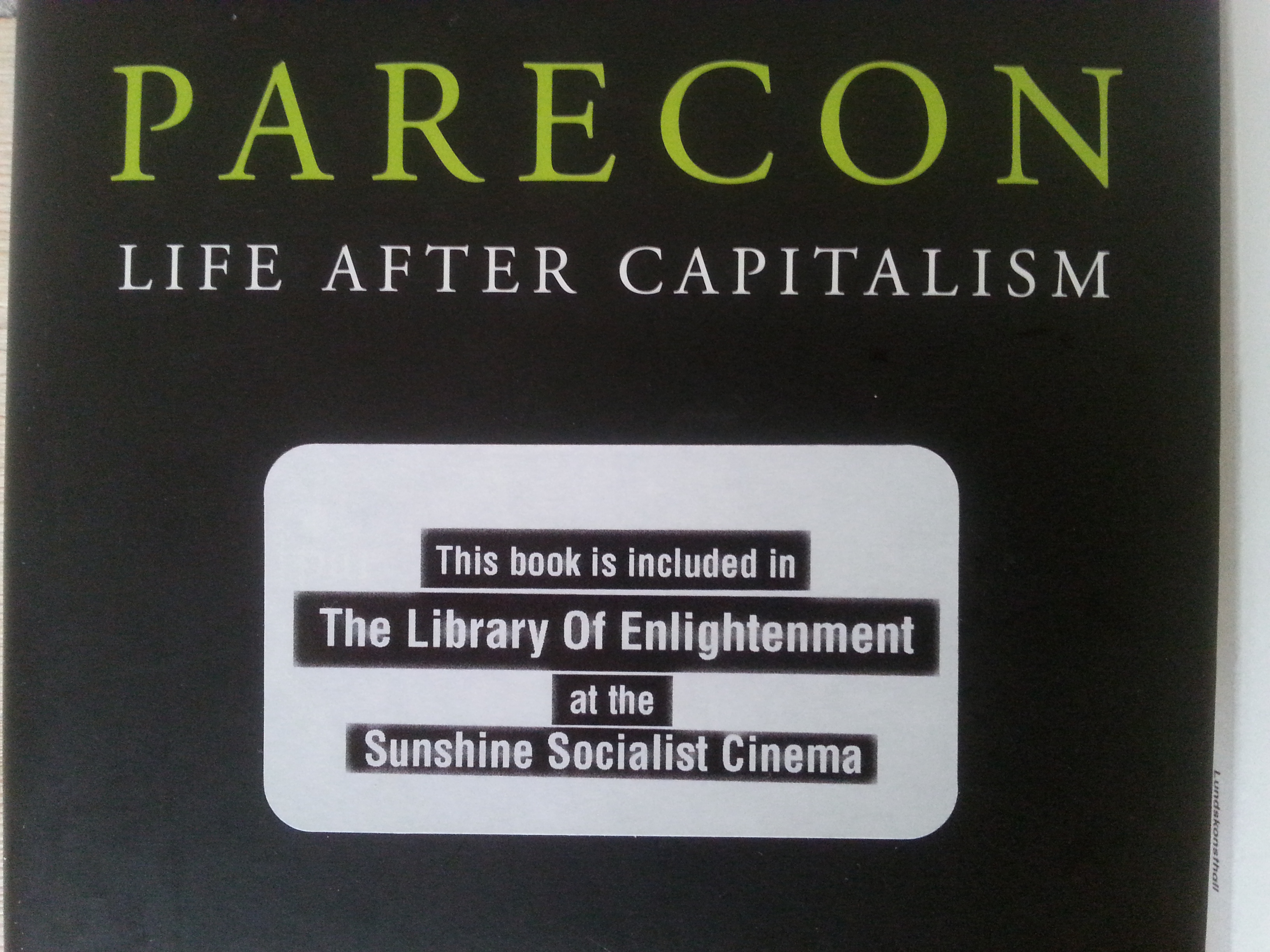
With money earned from our studygroup in the workers educational association ABF, we’ve started buying books for a small library to be included in the Cinema. The library concentrates on three sections: Ecology, Climate and Energy; The Organizing Of A Society; Art and Cinema. Books can be borrowed by the people from our village on the first screening occasion and returned on the last. We’ll try to combine practical How To-books with books on critical thinking.

library two

Unknown's avatar

At the Folk High School

Munka entre

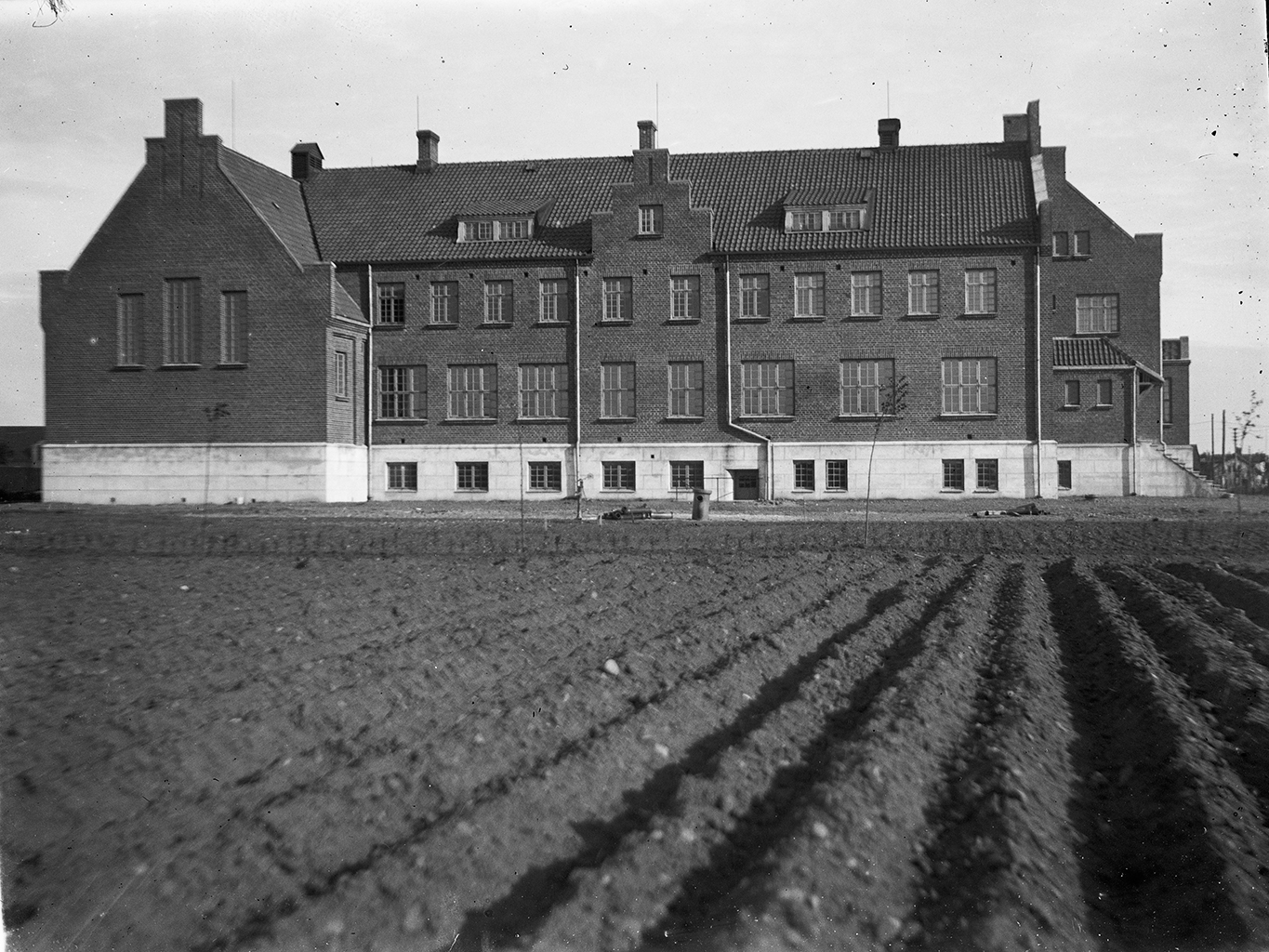
Glassplates by Ernst Larsson (the first headmaster), 1913

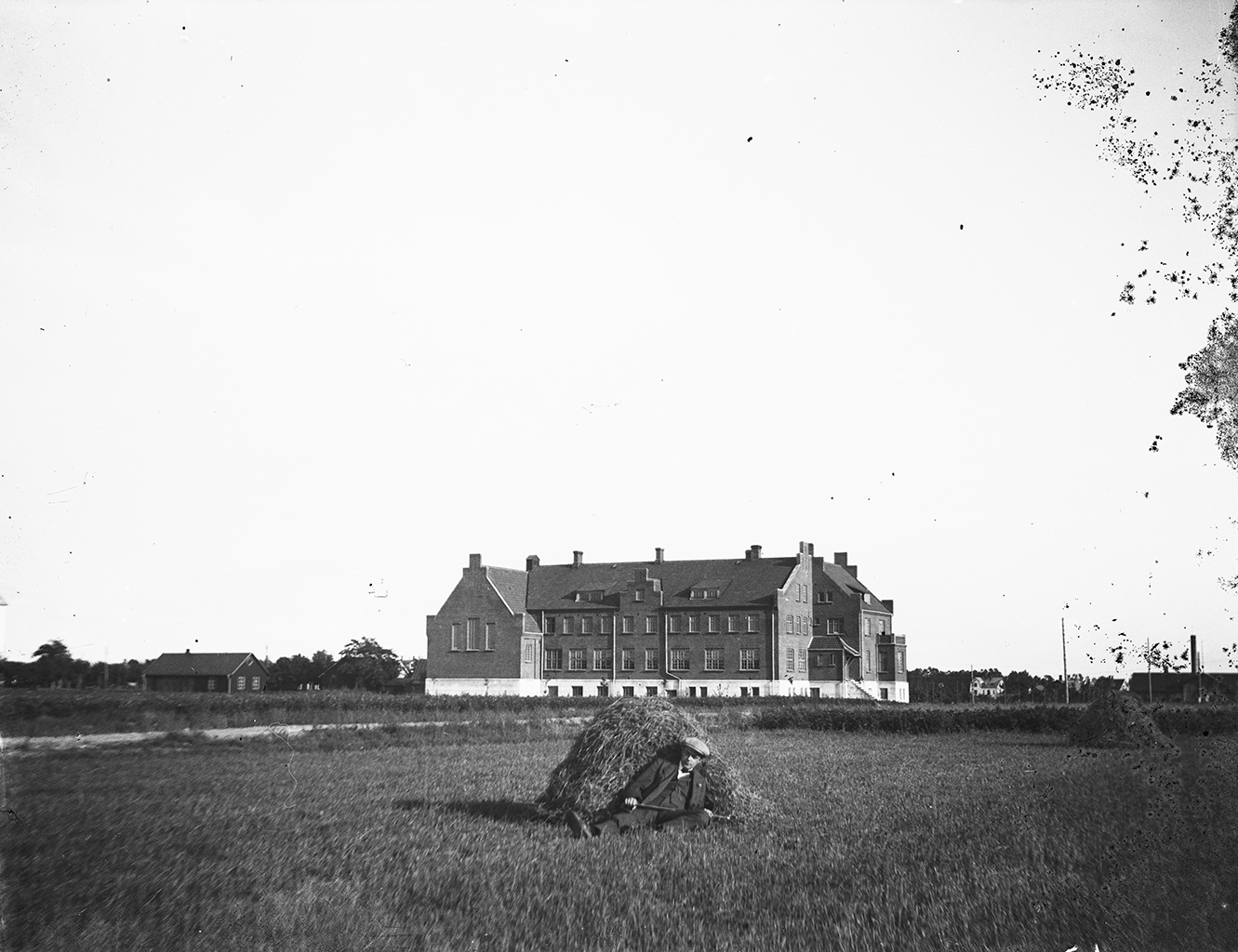
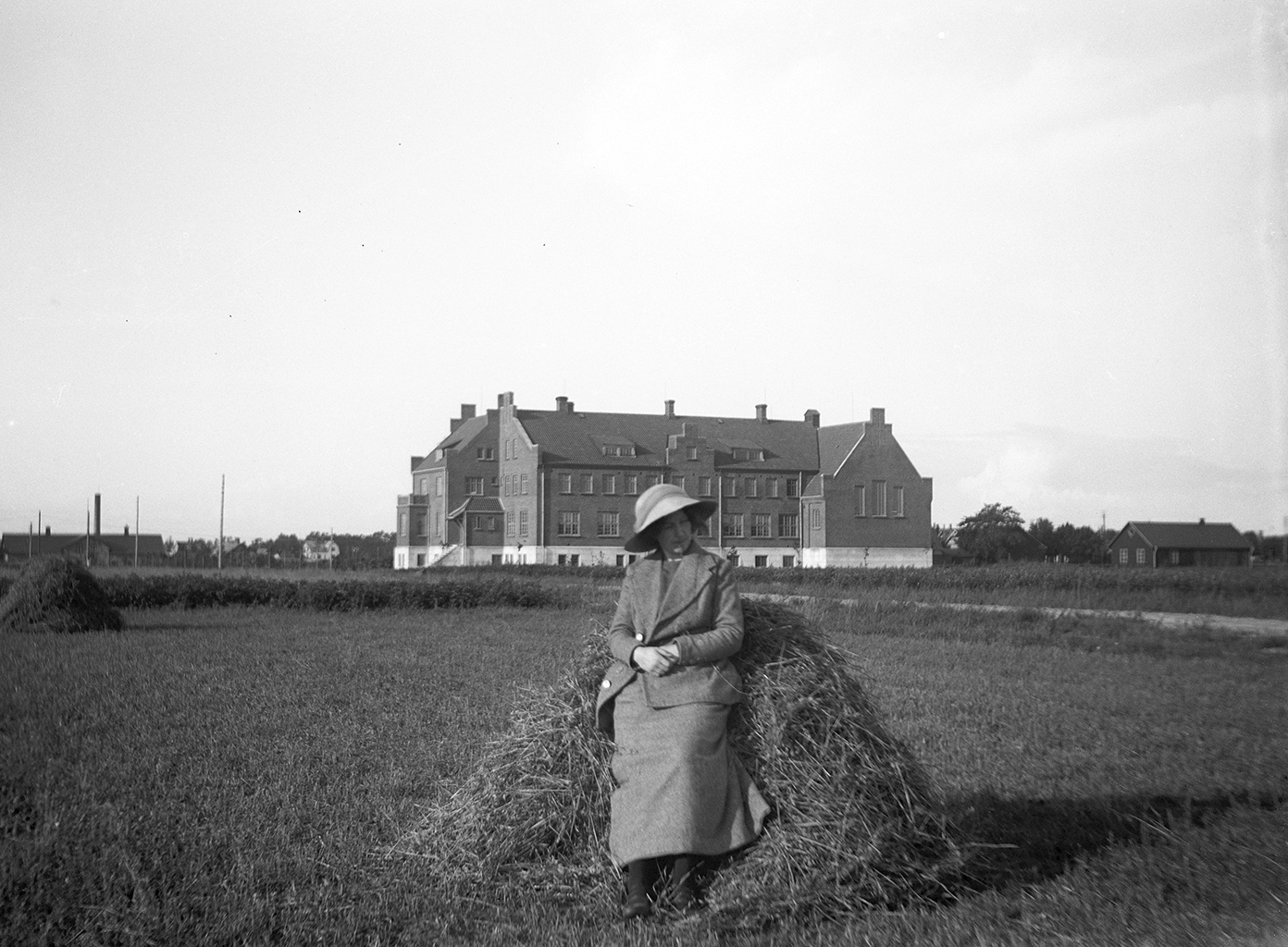
A folk high school is a form of popular adult education, and originated with the social movements of 19th and 20th century Sweden. As part of the Munka Folk High School celebrating it’s 100 year jubilee in 2013, we’ve arranged a screening on the lawn in front of the school. The screening starts with a Slideshow of old glassplates depicting the school when it was newly built in 1913.

FHS 1

Glassplates by Ernst Larsson (the first headmaster), 1913

The artvideos in The Future program have all been produced by art students at Munka Folk High School during a workshop organised by the Sunshine Socialist Cinema during the spring of 2013. The students – Siri Berg, Hanna Carlsen, Björn Delgård, Karin Ellerstrand Bengtsson, Malin Ida Eriksson, Alexander Findeisen, Ryan Karlsson, Nina Myrendal, Thomas Olsson, Louise Petersson, My Sjöberg and Nils Östbrant – have worked at imagining and visualizing thoughts of the future and future ways of seeing.

Website of the art students

FHS 2

FHS 3

FHS 4

Glassplates by Ernst Larsson (the first headmaster), 1913